

Essential Insights on Flexible LED Strip Substrates dives deep into the unique features and applications of flexible substrates used in LED strips. With the growing demand for customizable and adaptable lighting solutions, understanding these substrates is paramount for professionals in the industry. The article will explore the characteristics of flexible LED strip substrates, their benefits, and how to navigate challenges in their use.
1. What Are Flexible LED Strip Substrates?
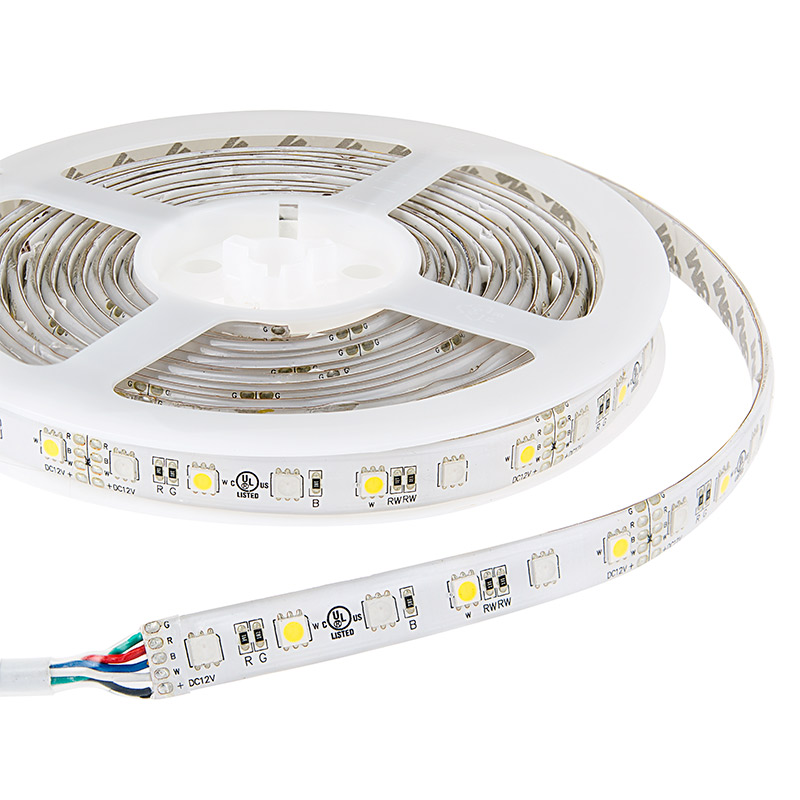
What are flexible LED strip substrates? Simply put, these substrates are the backbone of flexible LED strip lighting technology. Typically made from materials like polyimide, silicone, or flexible PCB technology, flexible LED strip substrates provide adaptability that amplifies design possibilities. But here’s the kicker: this adaptability allows for easier installation and integration into various applications that require customized lighting solutions.
Flexible LED strip substrates are characterized by their ability to bend, twist, and conform to an array of surfaces, rendering them significantly advantageous over traditional rigid substrates. This flexibility is pivotal when considering installations in intricate designs, corners, or uneven surfaces where standard panels would struggle. The underlying materials must possess not only flexibility but also durability to withstand repeated movements without compromising integrity.
Moreover, these substrates must support efficient light transmission while ensuring the LED’s electrical connections are maintained. Manufacturers often integrate multiple LED chips onto these wide strips, allowing extensive configurations to meet diverse lighting requirements. Understanding the different types of flexible materials available can guide professionals in selecting the most suitable option for their projects.
As you delve into the world of flexible LED strip substrates, keep in mind their pivotal role in revolutionizing the lighting industry.
| Substrate Type | Material | Key Features |
|---|---|---|
| Flexible PCB | Polyimide | Lightweight, high thermal stability |
| Silicone | Silicone rubber | High flexibility, moisture resistance |
| Copper | Copper foil | Excellent conductivity, easy to shape |
2. Why Are Flexible LED Strip Substrates Important?
Why are flexible LED strip substrates important in today’s lighting market? The significance of these substrates goes beyond mere adaptability; they are crucial for enhancing the overall efficiency and aesthetics of lighting designs. What’s the real story? Their importance stems from their ability to accommodate innovative lighting solutions that cater to various industries, including architecture, automotive, and consumer electronics.
One of the foremost benefits is the versatility they offer. Flexible substrates can be engineered into various shapes and sizes, thus enabling designers to create unique installations that may not be possible with more rigid options. For instance, in architectural applications, flexible LED strips can be seamlessly integrated into walls or ceilings, allowing for creative lighting effects that enhance the space’s ambiance.
Additionally, flexible LED strip substrates support ease of installation. Unlike rigid boards, which require precise alignment and support structures, flexible variants can navigate curves and contours, making installation simpler and saving both time and labor costs. Moreover, they can be cut to length, allowing users to customize lengths based on specific needs without compromising their functionality.
Another considerable advantage lies in thermal management. Flexible substrates often incorporate materials designed to dissipate heat effectively, which is essential for maintaining LED performance and extending their lifespan. This characteristic is increasingly important as demands for energy efficiency and long-lasting products grow.
In summary, flexible LED strip substrates stand out as essential components in modern lighting solutions, driving creativity, efficiency, and reliability.
| Importance Factor | Description |
|---|---|
| Versatility | Allows creative designs and unique applications |
| Ease of Installation | Saves time and reduces labor costs |
| Thermal Management | Enhances LED performance and longevity |
3. How Do You Choose the Right Flexible LED Strip Substrate?
How do you choose the right flexible LED strip substrate for your project? Selecting the ideal substrate involves understanding specific requirements, including thermal management, electrical properties, and environmental factors. Ready for the good part? This decision-making process is essential to ensure optimal performance and longevity of the installed lighting solutions.
Firstly, consider the thermal properties. Different materials provide varying levels of heat dissipation. For instance, polyimide substrates are known for their excellent thermal stability, making them suitable for high-temperature applications. Conversely, silicone offers better flexibility but may not dissipate heat as efficiently. Understand the operating environment and ensure the substrate can handle the expected temperature ranges.
Next, assess the electrical needs of the project. The substrate should be able to support the appropriate voltage and current requirements for the LED strips used. Review specifications to ensure compatibility, as failing to do so can lead to inefficiency or even complete failure of the LED strip.
Environmental considerations are also vital. Will the substrate be used indoors or outdoors? If outdoor, select materials that can withstand moisture, UV light, and extreme temperatures. For example, silicone substrates are often favored for outdoor lighting due to their weatherproof qualities and resistance to degradation.
Lastly, evaluate flexibility and form factor. Depending on the installation surface, some projects may require a more flexible substrate that allows bending and twisting. In contrast, others may benefit from a firmer substrate to maintain structural integrity in demanding environments.
Reflecting on these factors will help guide your choice and ensure that you select the perfect substrate for your flexible LED strip installation.
| Selection Factor | Considerations |
|---|---|
| Thermal Properties | Material stability under temperature stress |
| Electrical Compatibility | Voltage and current ratings |
| Environmental Resistance | Moisture, UV, and temperature features |
| Flexibility | Degree of bending needed for installation |
4. What Are the Common Applications of Flexible LED Strip Substrates?
What are some common applications for flexible LED strip substrates? The answer may surprise you. These substrates are extremely versatile and can be found in numerous sectors, from architecture to automotive. This is where it gets interesting: breaking down various applications showcases how integral flexible LED strips have become in modern illumination solutions.
In architectural lighting, flexible LED strips are often used for accent lighting, behind-cabinet installations, or to highlight architectural features like crown molding. The ability to bend and adapt allows designers to create soft illumination that enhances aesthetics without overpowering the space. Many homeowners and businesses utilize these strips to create ambiance in kitchens and living areas, proving how lighting can transform interior design.
Retail environments also leverage flexible LED strips for signage and display cases. Retailers can create eye-catching displays that enhance product visibility and draw in customers. The customizable nature of these substrates means retailers can adapt the lighting to suit seasonal promotions or thematic displays, making them a powerful marketing tool.
In the automotive sector, flexible LED strips illuminate vehicle interiors and exteriors, offering both safety and style. From ambient lighting within cars to accent strips along the body, automotive designers appreciate the easy installation and adaptability that flexible LED strip substrates provide. They can create seamless integrations that are aesthetically pleasing while fulfilling practical requirements, such as enhancing visibility and signaling.
The medical field is yet another area where flexible LED strips find applications. They are utilized in medical equipment for illumination in dark environments or as part of medical imaging systems to ensure accurate readings.
The multitude of applications for flexible LED strip substrates highlights their relevance across industries, making them indispensable for modern lighting solutions.
| Application Area | Description |
|---|---|
| Architectural Lighting | Accent and ambient lighting in buildings |
| Retail Displays | Eye-catching presentation in store settings |
| Automotive Lighting | Interior and exterior illumination |
| Medical Equipment | Lighting for diagnostics and imaging |
5. How Do You Install Flexible LED Strips on Various Surfaces?
How do you install flexible LED strips on different surfaces? The installation process can significantly impact the performance and longevity of your lights. What’s the real story? Proper installation techniques ensure that the LED strips function effectively and remain secure over time.
First, prepare the surface where the LED strips will be installed. Ensure the surface is clean and free from dust, grease, or moisture, which can prevent strong adhesion. For surfaces that may endure wear, such as walls or ceilings with textured finishes, use a suitable adhesive tape or backing that accommodates those textures.
Next, measure and cut the flexible LED strips according to the installation requirements. Most LED strips come with designated cutting points to facilitate customization. This flexibility is one of the key advantages of using these substrates. When cutting, always ensure that the remaining segment will still be functional and that connections can be securely made.
After cutting, it’s time for installation. For most applications, simply peel off the adhesive backing and press the strip firmly against the prepared surface. For areas that may experience vibrations or movement, consider complementary mounting solutions, such as brackets or clips, to reinforce the strips.
Finally, connect the LED strips to the power supply. Ensure the electrical connections are secure, using suitable connectors that can handle the current ratings of the strips. If connections are soldered, proper insulation must be applied to prevent shorts.
In summary, installation involves thorough surface preparation, careful cutting, and secure adherence along with solid electrical connections, ensuring a successful setup for flexible LED strips.
| Installation Steps | Description |
|---|---|
| Surface Preparation | Clean and smooth surface for adhesion |
| Cutting | Measure and cut at marked segments |
| Secure Adherence | Press firmly and possibly use additional mounts |
| Electrical Connections | Ensure secure and insulated connections |
6. What Types of Flexible LED Strip Technologies Exist?
What types of flexible LED strip technologies are available today? This question is crucial, as different technologies offer distinct advantages and applications. Ready for the good part? Understanding these various technologies will empower you to make informed decisions for your projects.
One prevalent technology in flexible LED strips is Surface Mount Device (SMD) LEDs. These are tiny, flat components soldered directly onto the substrate. SMD technology is valued for its low-profile design and excellent luminosity, making it suitable for applications demanding compact, bright lighting. The most common types of SMD are SMD 3528 and SMD 5050, with 5050 providing higher light output and brightness.
Chip-on-Board (COB) technology is another innovative option. In this design, multiple LED chips are placed directly on the substrate instead of using traditional packaging. This approach allows for improved heat dissipation and a more uniform light appearance, making COB flexible LED strips ideal for applications requiring smooth lighting, such as in studio settings or stage lighting.
Additionally, addressable RGB LED strips allow for color-changing capabilities. These strips contain individual control for each LED, enabling users to customize colors and lighting effects. This versatility is particularly beneficial for decorative and entertainment applications, such as in bars, restaurants, or home theaters.
Lastly, flexible LED strips utilizing organic LED (OLED) technology have started to emerge in the market. OLED strips have the advantage of being ultra-thin and able to provide soft, even lighting along with the ability to be shaped into diverse forms.
By recognizing the array of technologies in flexible LED strips, professionals can select the most suitable option based on specific application needs.
| Technology Type | Key Features |
|---|---|
| SMD LEDs | Compact, low-profile, high brightness |
| COB Technology | Improved heat dissipation, uniform lighting |
| Addressable RGB Strips | Customizable colors and effects |
| OLED Technology | Ultra-thin design, soft and even light output |
7. How Do You Ensure Electrical Safety with Flexible LED Strips?
How do you ensure electrical safety when working with flexible LED strips? Safety is paramount, and understanding the electrical specifications and standards involved plays a vital role. This is where it gets interesting: adhering to best practices in electrical safety can prevent hazards while improving the overall performance of your installations.
First, begin by reviewing the voltage and current ratings for your flexible LED strips. Manufacturers typically provide this information, detailing the necessary power supply and connectors to use. Using the wrong voltage can lead to overheating and potential failure of the LED strips, rendering the installation ineffective.
Next, ensure that all electrical connections are secure. Loose connections can result in increased resistance, which raises the likelihood of overheating. Moreover, if soldering connections, it’s essential to do so in well-ventilated areas and use proper soldering techniques. After soldering, apply heat-shrink tubing or electrical tape to secure and insulate connections, reducing the chance of short circuits.
Ignoring grounding requirements can pose a risk. Especially in applications where the LED strips are used in conjunction with water or in outdoor settings, it’s vital to ensure that all components are properly grounded to prevent shock hazards. Proper grounding also enhances the longevity of the installation and minimizes interference.
Lastly, familiarize yourself with local wiring codes and regulations. Compliance with relevant safety standards protects not only the users but also the investment made in the installation.
In conclusion, ensuring electrical safety with flexible LED strips revolves around adhering to specifications, securing connections, grounding properly, and following relevant codes—these steps collectively foster safer installations.
| Electrical Safety Measures | Description |
|---|---|
| Review Ratings | Understand voltage and current requirements |
| Secure Connections | Ensure all wiring and soldering are tight |
| Grounding | Properly ground components to reduce shock risk |
| Compliance | Follow local wiring codes and regulations |
8. What Are the Challenges of Using Flexible LED Strip Substrates?
What challenges arise when using flexible LED strip substrates? Like any technology, flexible LED strip substrates present specific concerns during their installation and use. However, recognizing these challenges allows users to strategize effectively and implement solutions ahead of time. So, what’s the real story?
One major challenge is the adhesive used for attachment. While many flexible LED strips come with strong adhesive backing, not all adhesives perform well on different surfaces, particularly textured or porous materials. Ensuring the substrate adheres properly requires diligent surface preparation and, in some cases, the use of additional mounting solutions like clips or brackets.
Another challenge involves temperature sensitivity. Even though flexible substrates are designed for high-performance applications, excessive heat can lead to performance degradation over time. Ensuring that the heat produced by the LEDs is effectively dissipated can mean integrating additional thermal management solutions, such as cooling fans or heat sinks, particularly in enclosed or stuffing environments.
Furthermore, flexibility does not always mean durability. While these substrates can bend and twist, excessive manipulation can lead to wear and tear. Such degradation might result in failures, particularly where the substrate bends frequently. Selecting high-quality materials designed for repeated flexing becomes essential in reducing this issue.
Lastly, maintenance can be tricky with flexible LED strips. Dust and debris can accumulate more easily than with static solutions, and cleaning the strips may require extra care to avoid damaging the delicate LED components.
By identifying these challenges, users can better prepare and adapt installation strategies that enhance the durability and performance of flexible LED strip substrates.
| Challenge | Potential Solutions |
|---|---|
| Adhesive Performance | Use appropriate adhesives for different surfaces |
| Temperature Sensitivity | Integrate cooling solutions as needed |
| Flex Durability | Choose high-quality materials for repeated use |
| Maintenance Issues | Develop a cleaning and inspection routine |
9. How Does Weather Affect Flexible LED Strip Substrates?
How does weather impact the performance of flexible LED strip substrates? Understanding the influence of environmental conditions is essential for ensuring durability and longevity. But here’s the kicker: flexible LED strip substrates must be tailored for the specific demands of their intended environment.
For outdoor applications, exposure to moisture, UV radiation, and temperature extremes can significantly impact performance. Flexible LED strips designed for these settings should feature materials rated for weather resistance. Silicone, for example, is often chosen for its ability to withstand rain, humidity, and varying temperatures without degrading.
UV light can also negatively affect certain substrates over time, leading to brittleness or discoloration. Therefore, selecting substrates treated with UV stabilizers can extend the lifespan of outdoor installations, maintaining both appearance and function.
Temperature fluctuations present another challenge. Extreme heat can cause expansion in materials while extreme cold can lead to contraction and brittleness. Multiple factors influence how well flexible substrates react under different environmental conditions. Choosing a substrate that can handle these fluctuations means opting for those tested and rated for a range of outdoor situations.
Lastly, securing LED strips against environmental elements, such as wind or debris, requires planning during installation. This may involve using protective casings or housings that maintain visibility while adding a shield against damage from the weather.
By taking these weather considerations into account, you can ensure that flexible LED strips perform reliably, even in challenging conditions.
| Weather Impact | Recommended Solutions |
|---|---|
| Moisture | Use weather-resistant materials from the outset |
| UV Exposure | Opt for substrates with UV protection |
| Temperature Variability | Choose materials rated for a broad temperature range |
10. What Maintenance Is Required for Flexible LED Strip Installations?
What maintenance is necessary for flexible LED strip installations to ensure optimal performance? Regular upkeep is essential for maintaining both the functionality and appearance of your lighting solutions. What’s the real story? Following a consistent maintenance schedule can prevent premature failures and prolong the life of your LED systems.
Routine inspection should be the first step in your maintenance plan. Check for any signs of wear, such as flickering lights or uneven brightness, which can indicate potential problems within the strip or connections. Addressing these issues promptly can prevent more significant problems down the road.
Cleaning flexible LED strips is also a crucial maintenance task. Dust and dirt can accumulate and diminish light output. Use a soft, dry cloth to gently wipe the exterior of the strips, avoiding moisture that can damage the electrical components. In areas prone to heavy dust, consider using barriers to keep the LED strips cleaner for longer periods.
Next, review and test electrical connections routinely to ensure reliability. Loose or corroded connections can lead to increased resistance and heat buildup, often resulting in malfunction. If any connections are starting to wear or corrode, consider re-soldering them or using new connectors as needed.
If the strips are situated in environments exposed to harsh conditions—such as outdoor settings—regular maintenance must be more frequent. Ensure that any protective housing remains intact and that no moisture has infiltrated electrical connections.
By implementing a comprehensive maintenance routine, you can guarantee that your flexible LED strip installations continue to provide their intended functionality while maximizing their lifespan.
| Maintenance Task | Description |
|---|---|
| Routine Inspections | Check for flickering or uneven brightness |
| Cleaning | Dust and wipe with a dry cloth |
| Connection Testing | Inspect for loose or corroded connections |
| Condition Review | Ensure protective housing is intact |
11. How Do Flexible LED Strips Contribute to Energy Efficiency?
How do flexible LED strips contribute to energy efficiency compared to conventional lighting options? This question is essential as businesses and consumers alike are increasingly concerned about energy consumption and sustainability. This is where it gets interesting: flexible LED strips offer multiple advantages that enhance energy efficiency.
First and foremost, flexibility in design allows for more strategic placement of LED strips. These strips can be installed precisely where light is needed the most, minimizing waste. For instance, in retail displays, strips can effectively illuminate products from specific angles, ensuring that light is focused rather than scattered.
Moreover, LED technology itself is inherently more energy-efficient than traditional incandescent or fluorescent lights. LEDs convert a greater percentage of electricity into light, significantly reducing energy consumption. Flexible LED strips further enhance this efficiency by incorporating design elements that optimize light output. They can scale down power output in areas requiring less illumination, allowing for targeted energy use.
Additionally, flexible LED strips produce minimal heat compared to other lighting technologies, leading to substantial energy savings. Reduced heat output not only enhances safety but also lessens the load on cooling systems in buildings, yielding further savings on energy consumption.
Furthermore, many LED strip models now come with smart technology, allowing for dimming, color changes, and integration with sensors. This adaptability not only enhances versatility but enables additional energy savings by using only the light needed at specific times.
By harnessing these characteristics of flexible LED strips, users can achieve substantial energy savings while also promoting sustainability in their lighting applications.
| Energy Efficiency Factor | Contribution |
|---|---|
| Strategic Placement | Optimizes light where needed |
| LED Technology | Converts a higher percentage of electrical energy into light |
| Minimal Heat Production | Reduces additional cooling costs |
| Smart Technology | Enables dimming and responsive lighting |
12. What Innovations Are Emerging in Flexible LED Strip Technology?
What innovations are on the horizon for flexible LED strip technology? The lighting industry is witnessing remarkable advancements that enhance functionality, performance, and user engagement. So, get ready for the good part: these innovations could redefine how flexible LED strips are utilized in various applications.
One emerging innovation is the integration of smart technology into flexible LED strips. With the rise of the Internet of Things (IoT), many flexible LED strips are now equipped with Wi-Fi and Bluetooth capabilities, allowing users to control lighting via smartphone apps. This technology enables personalization, such as adjusting brightness or color schemes, thereby enhancing user experience.
Another advancement involves improvements in energy efficiency. Newer models utilize cutting-edge semiconductor materials that boost lumen output while lowering power consumption. These innovations provide brighter light with less energy, satisfying the growing demand for sustainable lighting solutions without compromising performance.
Flexible LED strips are also becoming more versatile in terms of appearance. Innovations in light diffusing technology allow for even light distribution and a reduction in visible hot spots. This development is especially beneficial for applications requiring uniform illumination, such as within architectural settings or commercial spaces.
Additionally, advancements in materials science are introducing substrates that enhance durability and flexibility simultaneously. These new materials allow strips to withstand harsher conditions while maintaining their form factor, ensuring reliability in outdoor applications or areas exposed to wear and tear.
As these innovations emerge, the potential for flexible LED strip technology continues to grow, presenting exciting opportunities for businesses seeking to be at the forefront of lighting solutions.
| Innovative Aspect | Description |
|---|---|
| Smart Technology | Compatibility with IoT for enhanced control |
| Energy Efficiency | Utilization of advanced semiconductor materials |
| Light Diffusing Technology | Provides even illumination without hot spots |
| Material Advancements | New substrates that are both durable and flexible |
13. How Can You Incorporate Flexible LED Strips into Your Design Projects?
How can you effectively incorporate flexible LED strips into your design projects? The integration of these strips can elevate any lighting scheme and create impressive visual effects. This is where it gets interesting: thoughtful planning and creativity allow you to exploit the full potential of flexible LED strips.
Begin by conceptualizing the lighting goals for the space. Determine the desired level of brightness, color temperature, and whether you want dynamic color-changing capabilities. Consider how flexible LED strips can complement other lighting fixtures, enhancing the overall atmosphere of the environment.
Next, plan your designs around the natural features of the space. Use flexible LED strips to highlight architectural details, such as coves or recessed areas. This technique draws attention and adds sophistication to the design.
Moreover, consider layering lighting. Combining flexible LED strips with ambient, task, and accent lighting can create depth and versatility. For instance, incorporating LED strips within shelving can provide aesthetics while enabling functional illumination for reading or showcasing pieces.
Additionally, experimenting with color can transform the feel of a space. Addressable RGB strips allow for dynamic color effects that can enliven an area or create different moods based on the occasion. Patterns or sequences can be programmed for use during events or celebrations, giving your space an edge.
Finally, do not overlook the practicalities of installation. Make sure to ensure that selected strips are compatible with the spaces available for routing, such as corners or along the edges. The flexibility of these strips means they can easily navigate those challenges, but it’s essential to prioritize accessibility for maintenance.
By thoughtfully incorporating flexible LED strips into your designs, you can create visually striking environments that are both functional and engaging.
| Incorporation Techniques | Applications |
|---|---|
| Highlight Architectural Features | Use strips to draw attention to design elements |
| Layering | Combine with ambient, task, and accent lighting |
| Experimenting with Color | Utilize RGB strips for dynamic atmosphere |
| Practical Installation | Ensure accessibility for maintenance |
14. What Regulations and Standards Should You Consider?
What regulations and standards do you need to consider when working with flexible LED strips? Being aware of relevant compliance requirements is integral to ensuring safety and performance in your projects. Ready for the good part? Understanding these standards can pave the way for successful installations.
Begin by familiarizing yourself with the Underwriters Laboratories (UL) safety standards. UL certification for flexible LED strips indicates that they have undergone rigorous testing to ensure safety for consumers. Adhering to these guidelines validates that the products are safe for use in various applications, particularly in commercial spaces.
The National Electrical Code (NEC) also governs installation practices for electrical components, including flexible LED strips. Compliance with NEC guidelines ensures proper wiring, grounding, and other installation practices that mitigate hazards like short circuits and fire risks. HVAC systems in commercial applications can further impact how electrical components are laid out, so be mindful about ensuring adherence to such requirements.
In regions with specific energy efficiency mandates, certifications like Energy Star may also apply. Products that earn this certification meet efficiency criteria, offering both environmental benefits and potential cost savings for users.
Additionally, if flexible LED strips are used in outdoor applications, check for weatherproofing standards that could dictate material suitability and adherence to local building codes.
Understanding these regulations and adhering to them not only secures safe, reliable installations but also promotes professional integrity in the industry.
| Regulation/Standard | Importance |
|---|---|
| UL Certification | Ensures safety and compliance for products |
| National Electrical Code (NEC) | Governs installation practices |
| Energy Efficiency Certifications | Promotes sustainability and cost-saving |
15. Where Can You Find Quality Flexible LED Strip Substrates?
Where can you find quality flexible LED strip substrates suitable for your projects? Sourcing high-quality materials can influence the performance of your lighting solutions significantly. This is where it gets interesting: understanding how to locate reputable suppliers ensures that you receive reliable products every time.
Start by exploring established manufacturers with a proven track record in the lighting industry. Look for companies that specialize in flexible LED technology, as they typically offer a variety of options tailored to different applications. Websites like Digi-Key, Mouser Electronics, and similar platforms provide extensive inventories, alongside product specifications and reviews, helping you make informed choices.
Local electrical supply stores may also carry quality flexible LED strips, allowing you to inspect products firsthand before purchase. Engaging with local suppliers can also establish personal relationships that facilitate better service and support.
For customized or unique projects, consider working directly with manufacturers. Many companies offer customization options to produce flexible LED substrates that meet specific dimensional, electrical, or aesthetic requirements. This route allows for more tailored solutions suited to distinctive design needs.
Lastly, participating in industry trade shows and exhibits also presents opportunities to discover the latest innovations in flexible LED strip technology. These events often showcase new products and provide firsthand interactions with representatives who can answer questions and discuss practical applications.
By exploring these avenues, you can find high-quality flexible LED strip substrates that meet your expectations and project requirements.
| Sourcing Avenues | Benefits |
|---|---|
| Established Manufacturers | Reliable products suited to various applications |
| Local Supply Stores | Hands-on inspection and local support |
| Direct Manufacturer Engagement | Customized options for unique projects |
| Trade Shows | Discover innovations and network with vendors |
FAQ Section
Q1: What are flexible LED strip substrates?
Flexible LED strip substrates are bendable materials that serve as the foundation for LED strips, allowing them to conform to various surfaces and shapes while providing electrical continuity.
Q2: How do flexible LED strips work?
Flexible LED strips consist of multiple LED chips mounted on a substrate, which allows these strips to be easily bent or shaped, providing customized light sources that can fit a wide array of applications.
Q3: What are the common applications of flexible LED strip substrates?
Common applications include architectural lighting, retail displays, automotive lighting, and even medical equipment, leveraging their adaptability and functional benefits in these sectors.
Q4: How do you install flexible LED strips on different surfaces?
Installation involves cleaning and preparing the surface, measuring and cutting the strips to size, securely adhering the strips in place, and making sure electrical connections are properly established.
Q5: What maintenance is required for flexible LED strip installations?
Maintenance includes routine inspections for wear and performance, cleaning to prevent dust accumulation, and checking electrical connections to ensure reliability and functionality of the lighting system.
